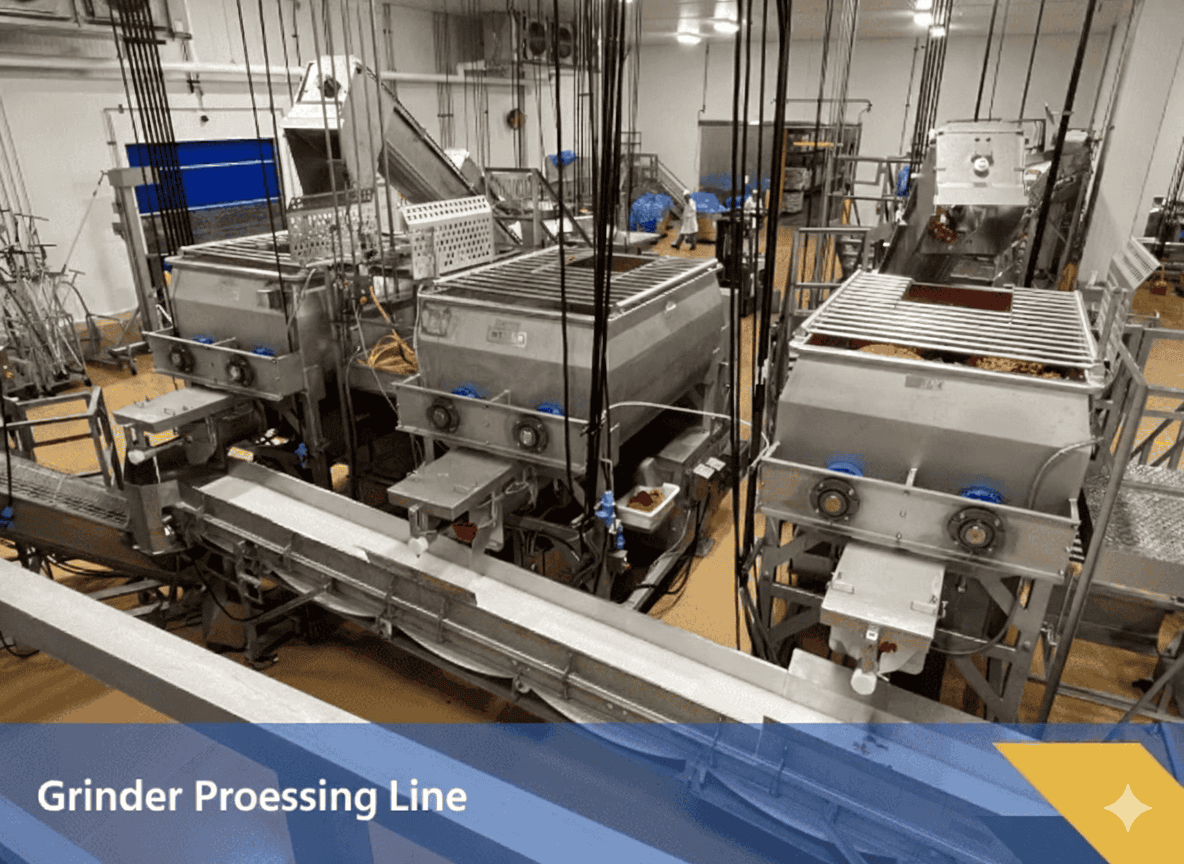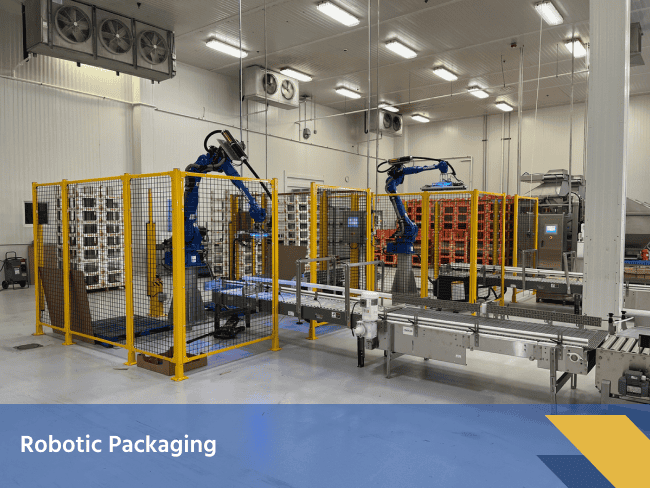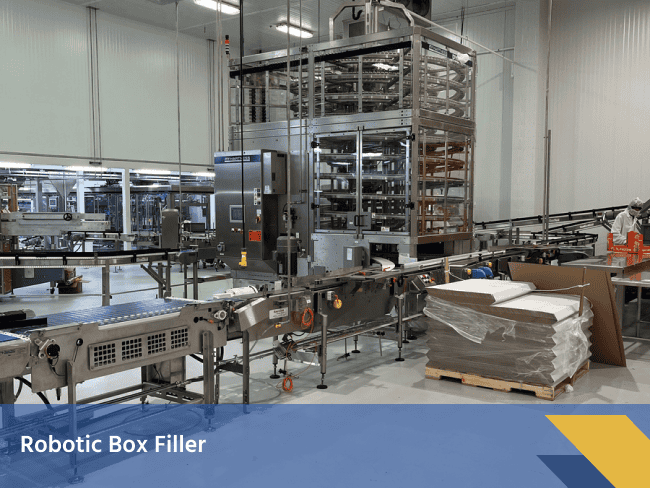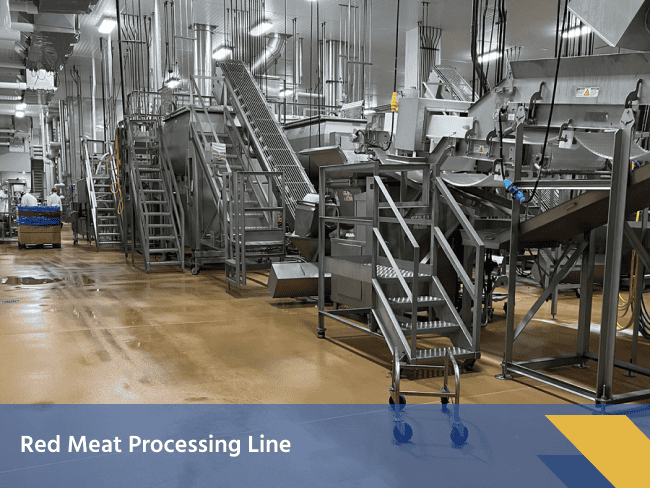
Millwright Activities:
Machinery Moving, Rigging & Installation
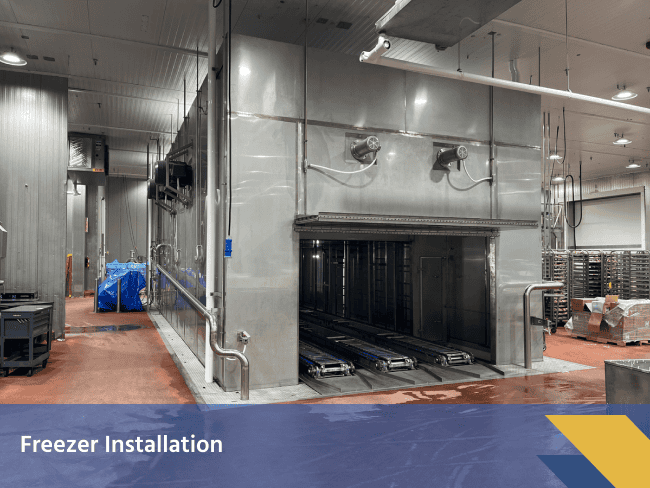
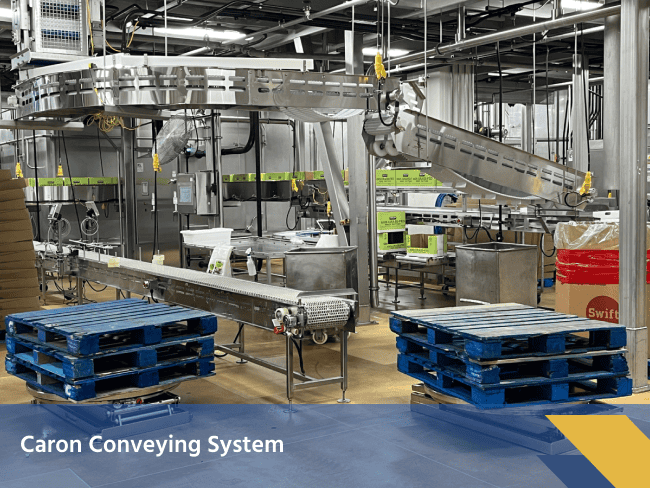
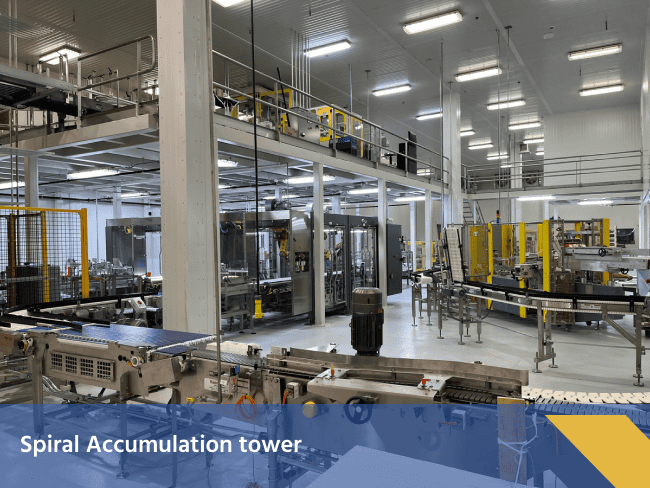
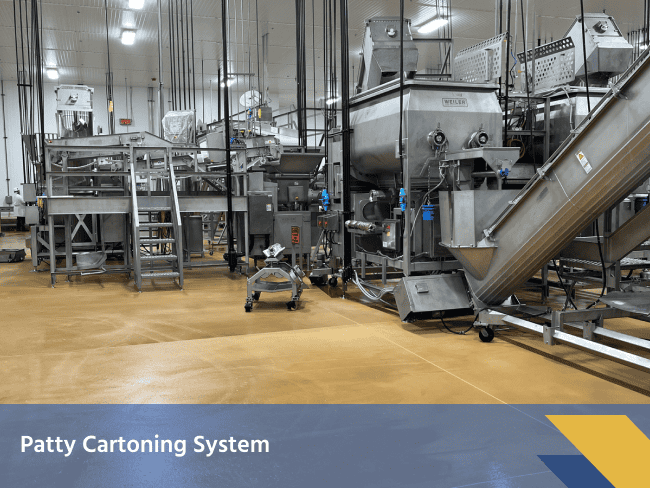
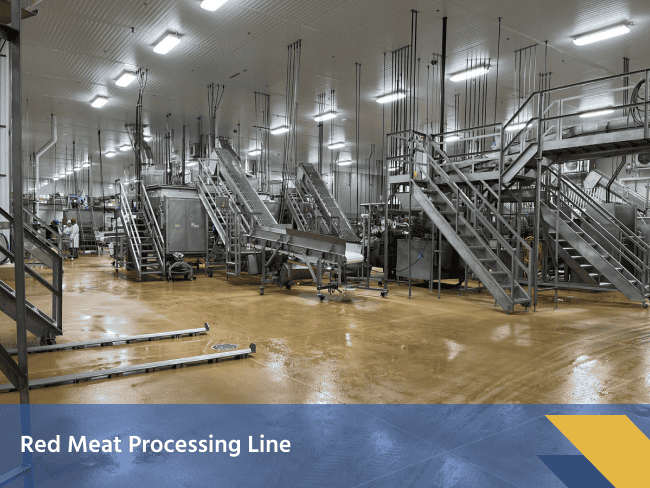
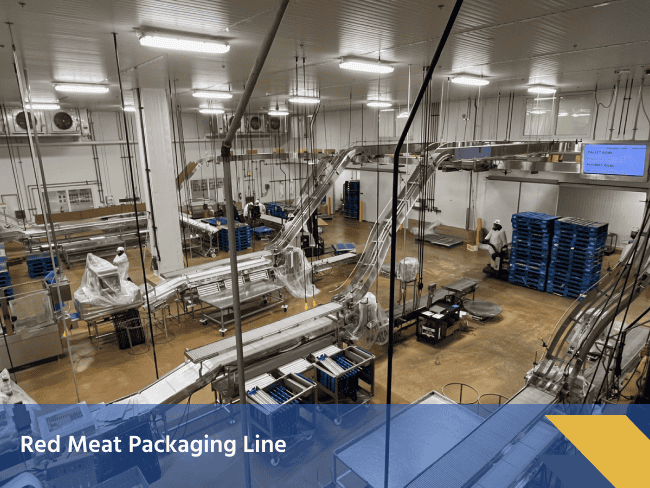
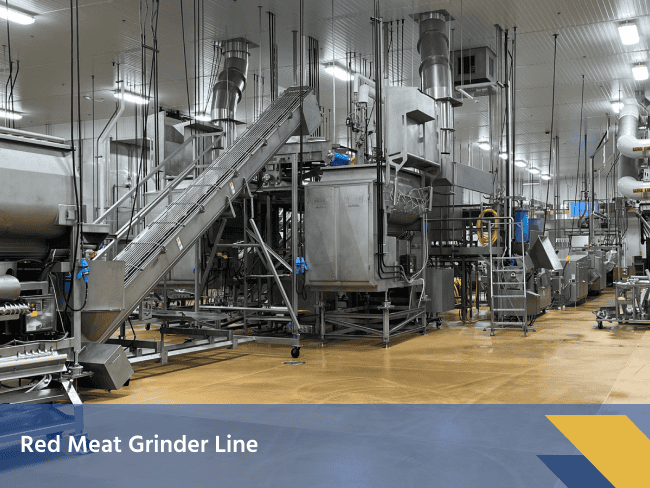
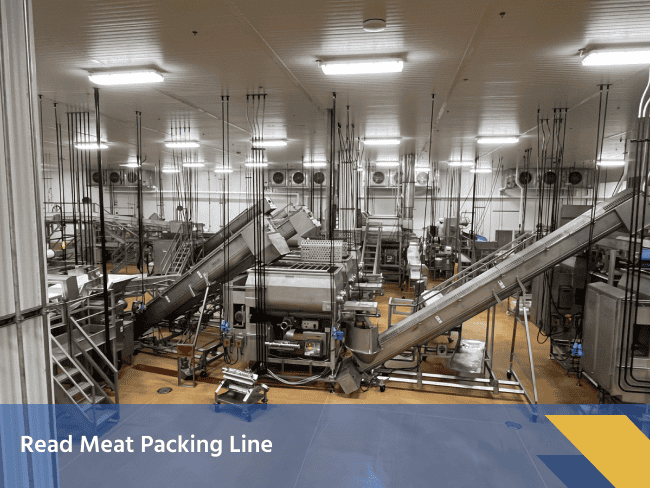
As a millwright, we play a critical role in the physical setup, movement, and precision installation of all machinery within a food processing production line. Our expertise and work ensures that equipment is safely positioned, structurally supported, correctly aligned, and fully integrated with all of your surrounding processing systems.
At Incline, we’re champions at taking charge of all the detailed millwright responsibilities and activities. As a millwright, we play a critical role in the physical setup, movement, and precision installation of all machinery within a food processing production line. If accuracy in planning is ever questioned, the detailed listings show how other sectors approach system integration and reliability.
1. Pre-Installation Preparation
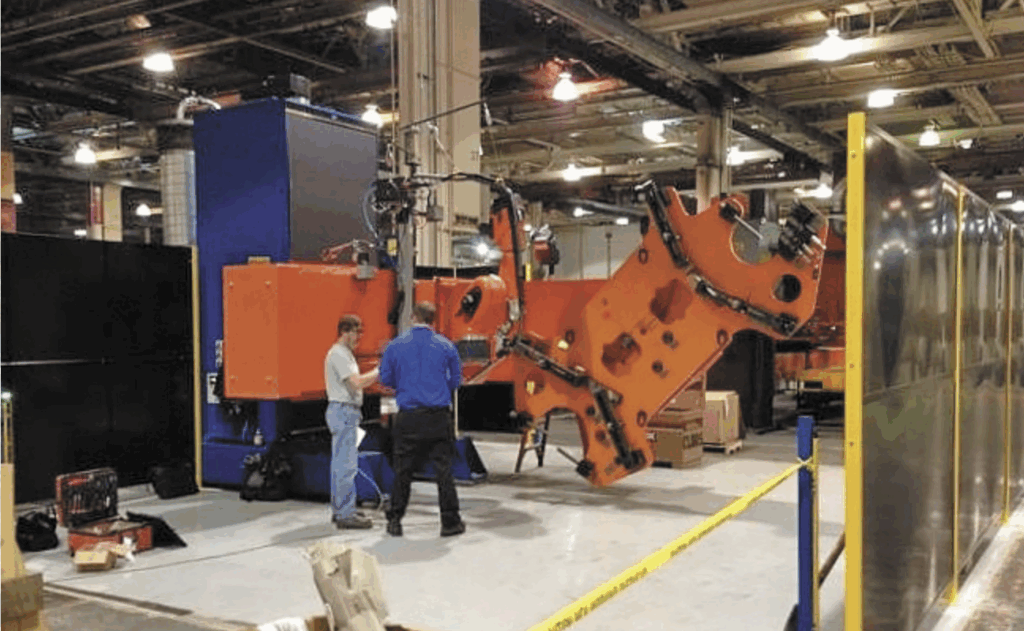
Site Preparation & Planning
- Review finalized production line layout and installation blueprints.
- Identify access routes for machinery movement through the plant.
- Plan equipment staging areas and temporary storage locations.
- Conduct safety assessments for rigging hazards, overhead obstacles, and load-bearing constraints.
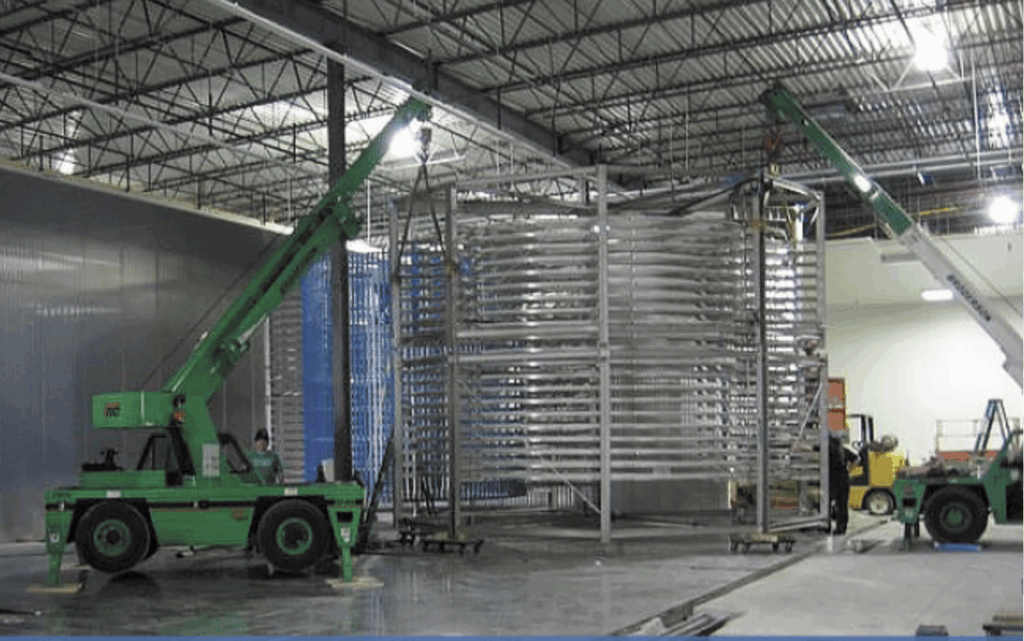
Equipment & Tooling Readiness
- Select appropriate rigging gear (slings, chains, hoists, forklifts, cranes).
- Inspect rigging equipment for certifications and load ratings.
- Prepare specialty millwright tools for precision work (dial indicators, laser alignment tools, levels, torque wrenches).
2. Machinery Moving & Rigging
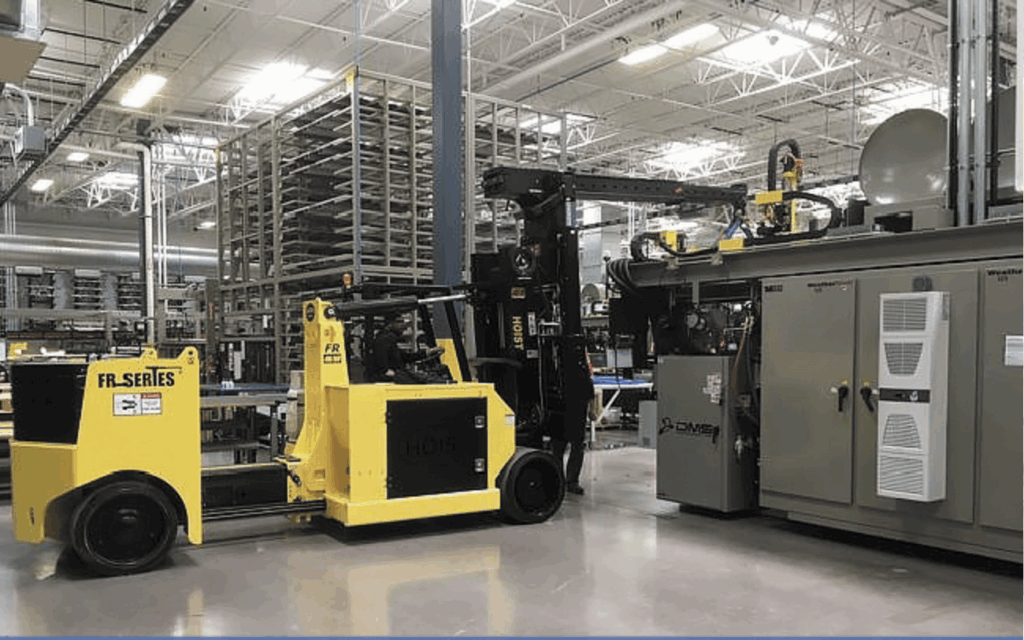
Inbound Equipment Handling
- Unloading equipment from trucks or containers using cranes, forklifts, or telehandlers.
- Inspecting machinery for transport damage.
- Coordinating with vendors or OEM technicians for sensitive or high-value components.
Hoisting & Positioning
- Using overhead cranes, gantries, or temporary rigging frames to lift machines.
- Precisely lowering equipment onto pads, floors, or structural supports.
- Ensuring proper alignment relative to drains, utilities, and conveyors.
Rigging & Transport Through Facility
- Safely moving heavy or oversized equipment into the processing environment.
- Navigating tight spaces, overhead clearances, drains, and sanitation zones.
- Using air skates, rollers, dollies, or specialized movers depending on equipment weight and fragility.
- Stabilizing loads to prevent tipping or rocking during movement.
3. Equipment Anchoring & Structural Setup
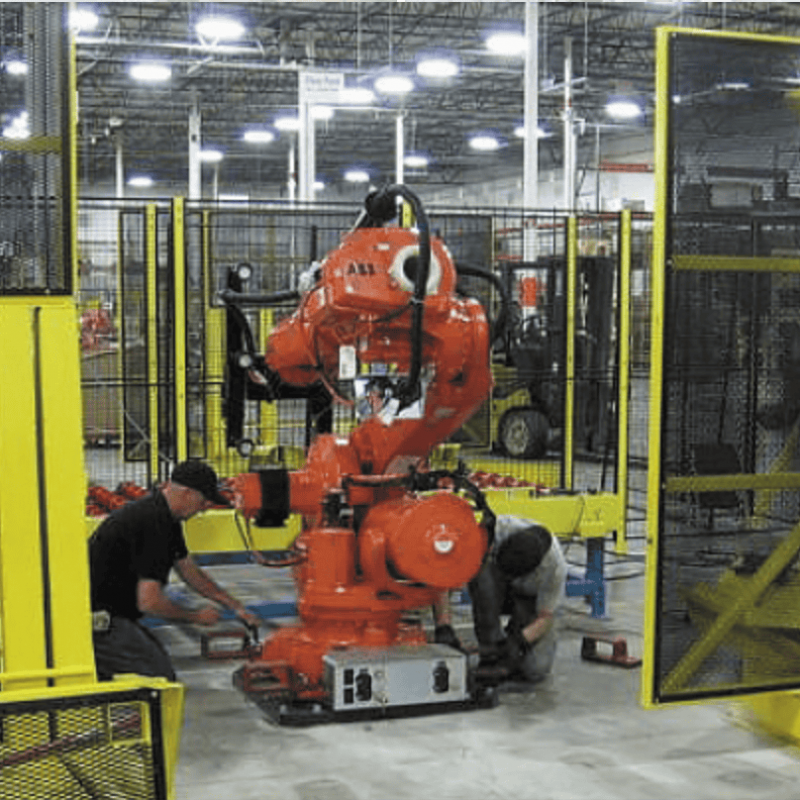
Positioning & Leveling
- Aligning machine bases and frames according to engineering layout tolerances.
- Using laser alignment or precision leveling instruments to establish accurate elevations.
- Shimming as needed to compensate for floor irregularities.
Anchoring & Securing Equipment
- Drilling and installing anchor bolts or chemical anchors.
- Setting base plates, leveling pads, anti-vibration mounts, or seismic restraints when required.
- Ensuring adherence to food plant sanitation standards (no hollow or uncapped anchors, proper sealants, etc.).
4. Mechanical Assembly & Integration
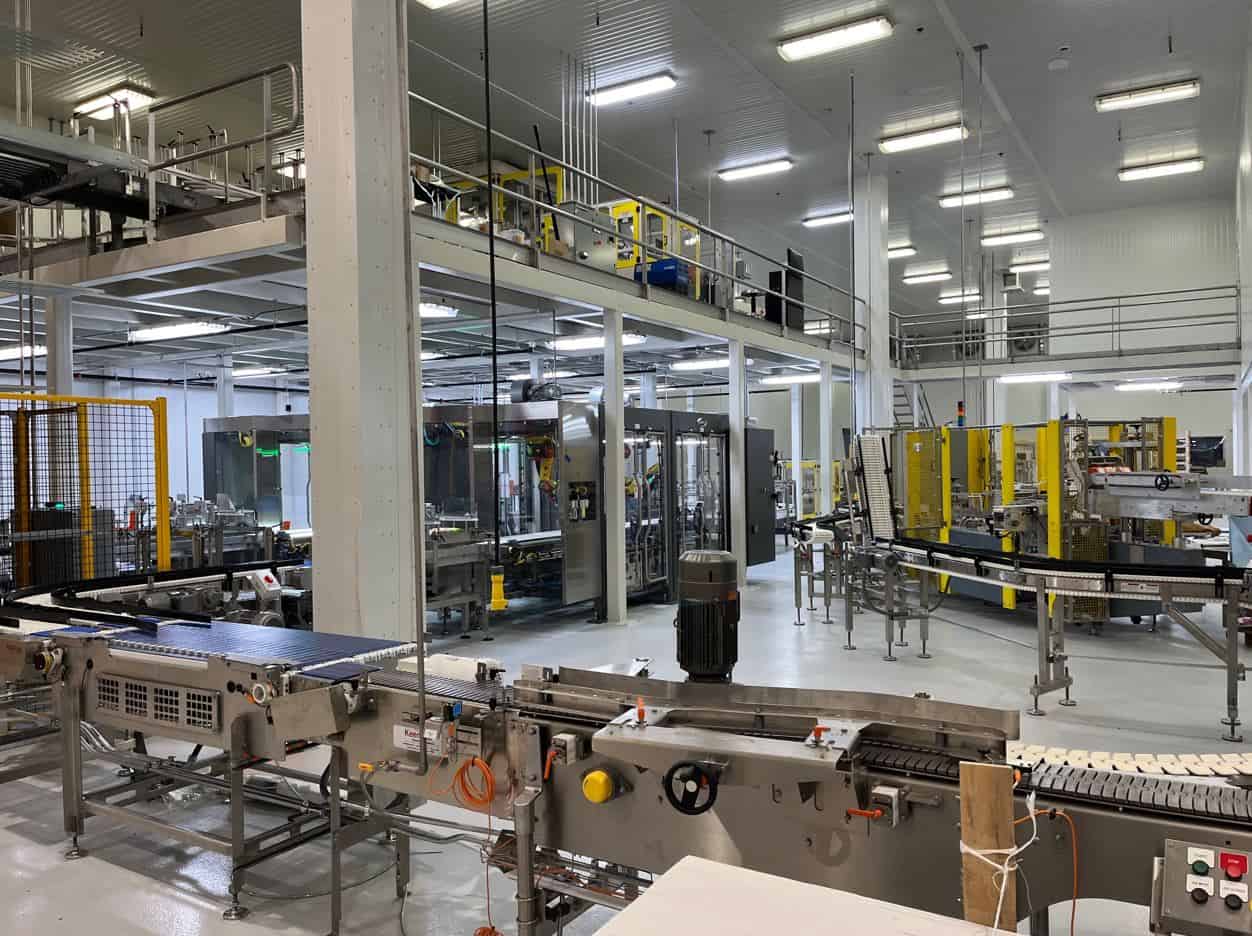
Component Assembly
- Installing sub-assemblies (motors, gearboxes, conveyors, hoppers, augers).
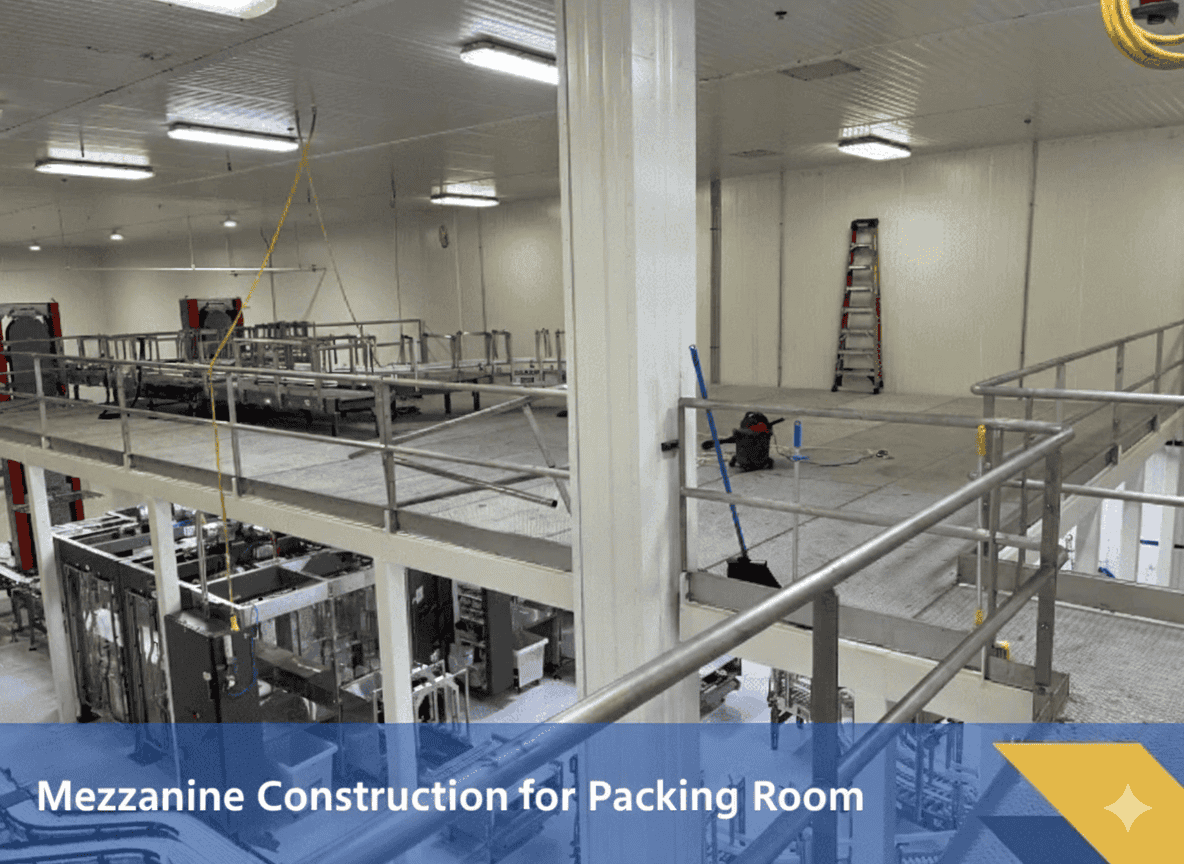
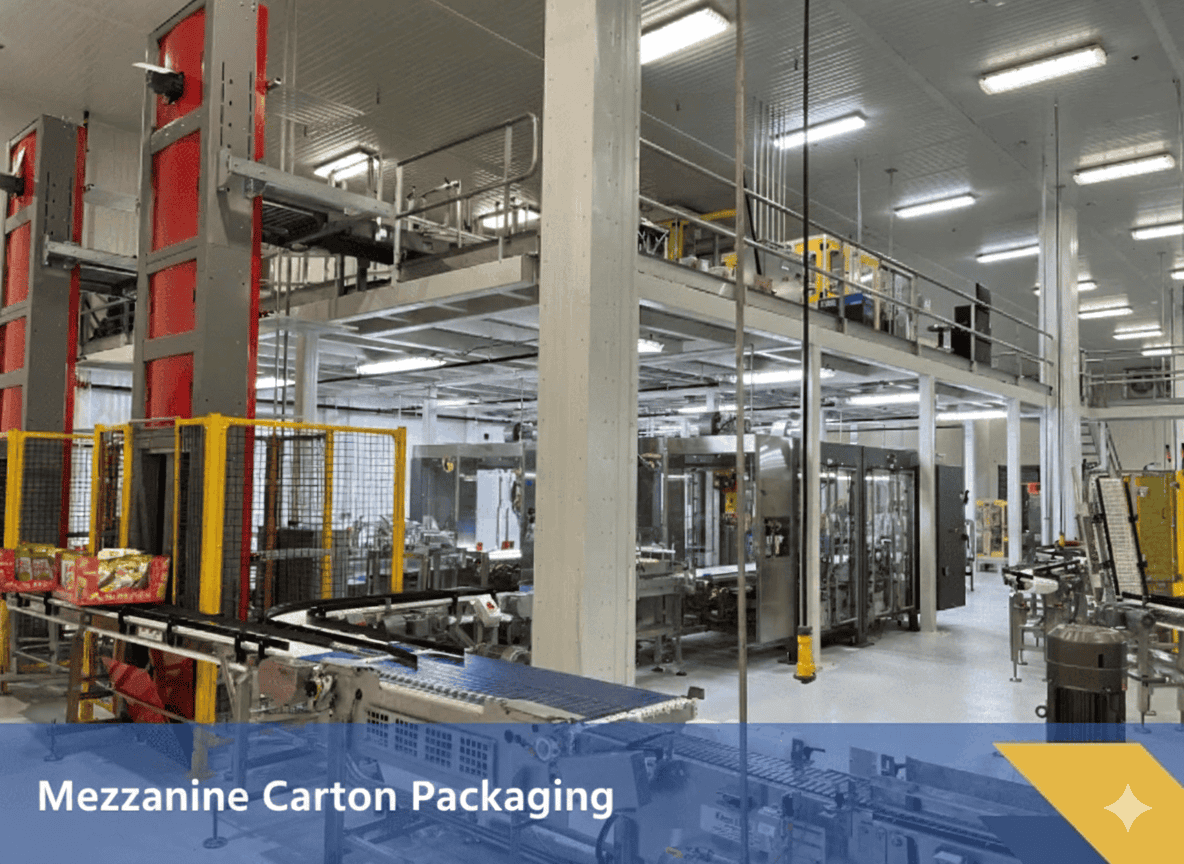
- Mounting guards, rails, catwalks, access platforms, and sanitary covers.
Utility Tie-In Support
(In collaboration with electricians and plumbers)
- Positioning machines to ensure access for utility connections (electrical, air, steam, water).
- Installing temporary supports until utilities are fully tied-in.
Mechanical Integration Between Machines
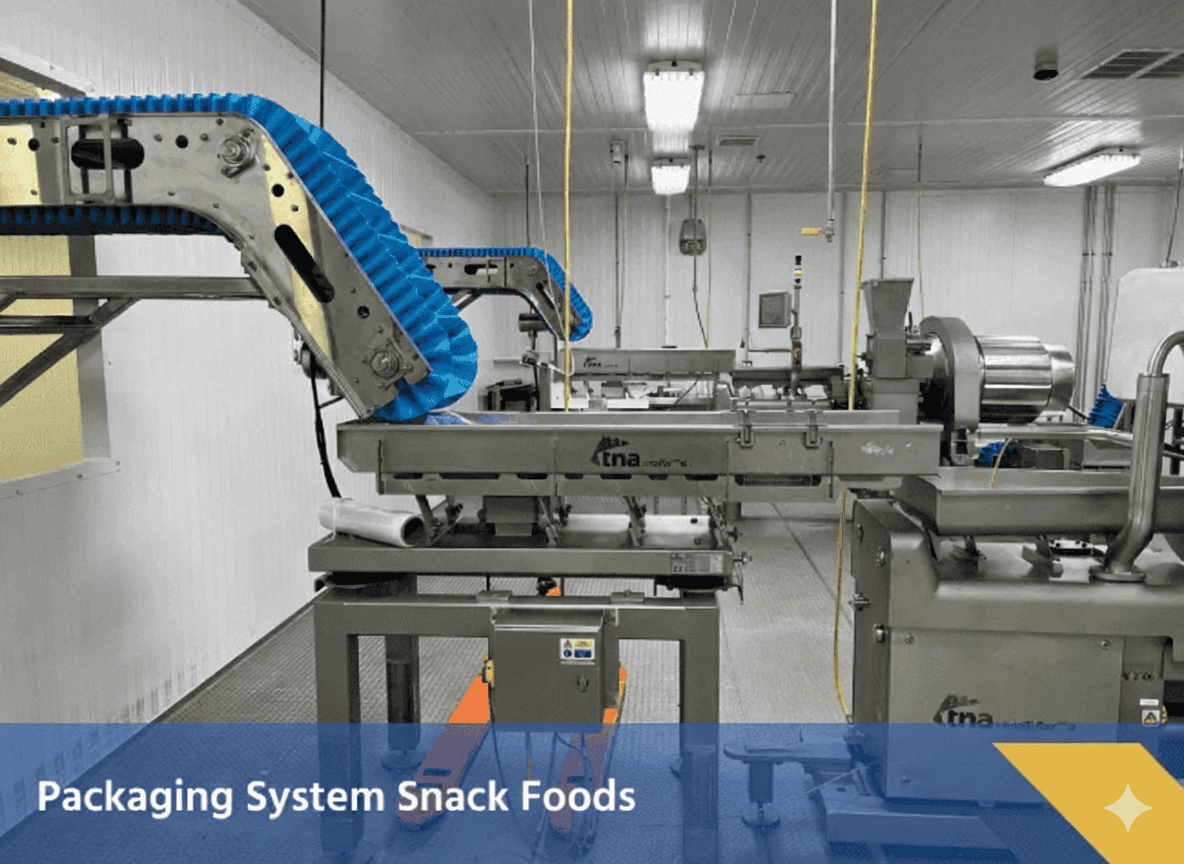
- Connecting conveyors, linkages, chutes, belts, and mechanical drive systems.
- Fabricating bridges where required.
- Ensuring proper belt tension, alignment, and chain drive setup.
- Installing shafts, couplings, bearings, sprockets, and pulleys.
5. Precision Alignment & Calibration
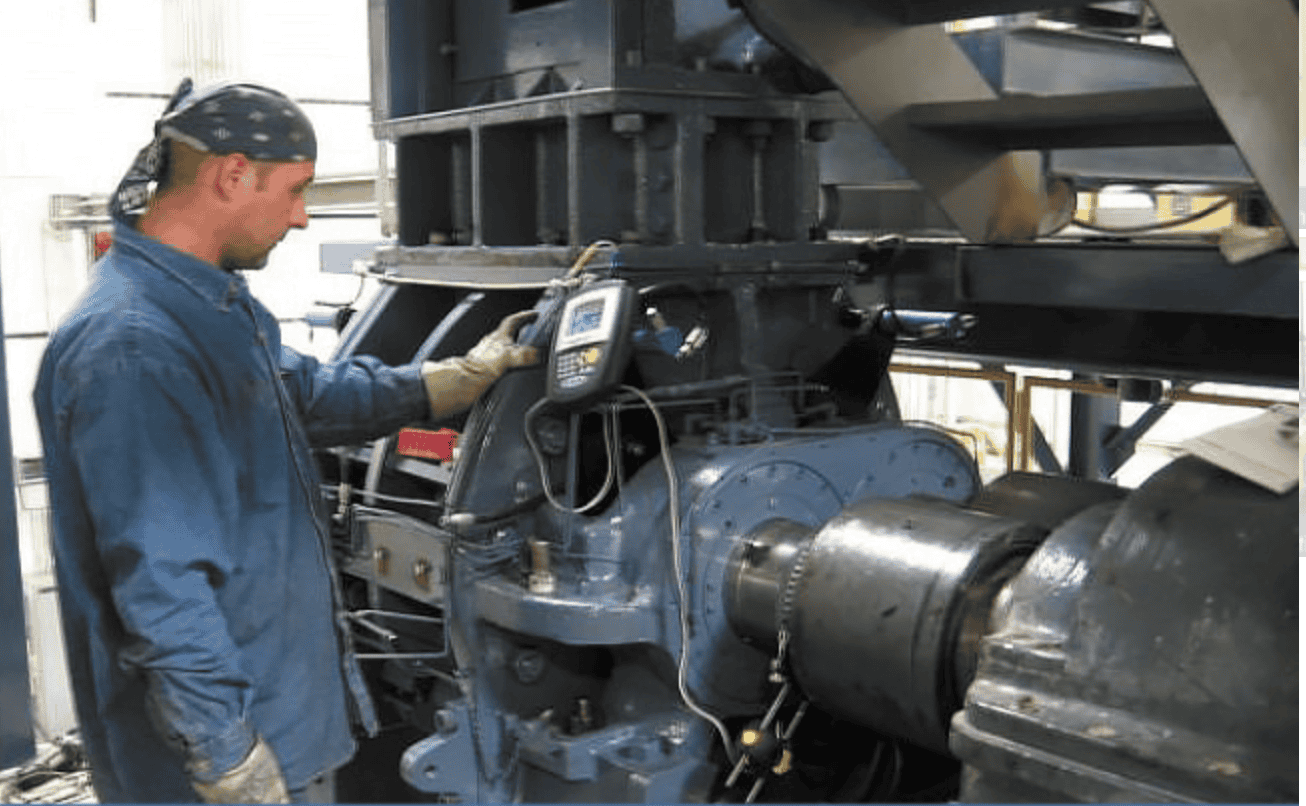
Laser & Dial Indicator Alignment
- Aligning motors to gearboxes, pumps, compressors, mixers, and all rotating machines.
- Ensuring couplings meet OEM tolerances for concentricity and angular alignment.
Vibration & Movement Testing
(In collaboration with electricians and plumbers)
- Checking stability under test loads.
- Making adjustments for vibration isolation and structural resonance.
Conveyor & Machine Line Alignment
- Setting conveyor heights, angles, centerlines, and product flow paths.
- Ensuring smooth transfers between upstream and downstream equipment.
6. Safety & Compliance Tasks
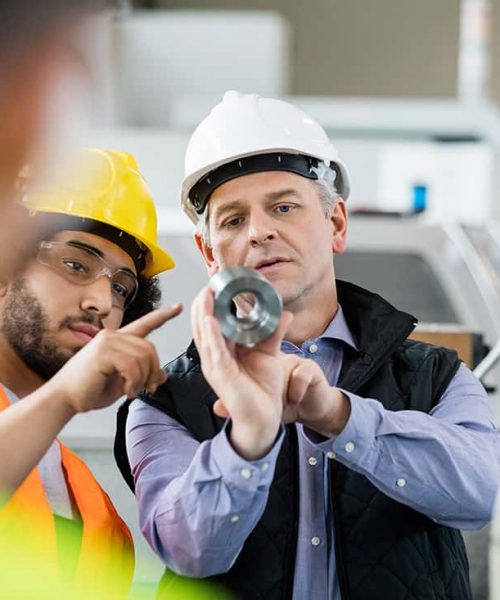
Documentation & Verification
- Completing installation checklists and torque logs.
- Verifying load ratings and inspection tags for all rigging equipment.
- Ensuring machine guards and safety barriers are installed to spec.
Food Safety Considerations
- Ensuring cleanable machine bases.
- Avoiding contamination hazards during installation (debris control, clean hardware).
- Participating in sanitation review before mechanical handoff.
7. Final Sign-Off & Support During Commissioning
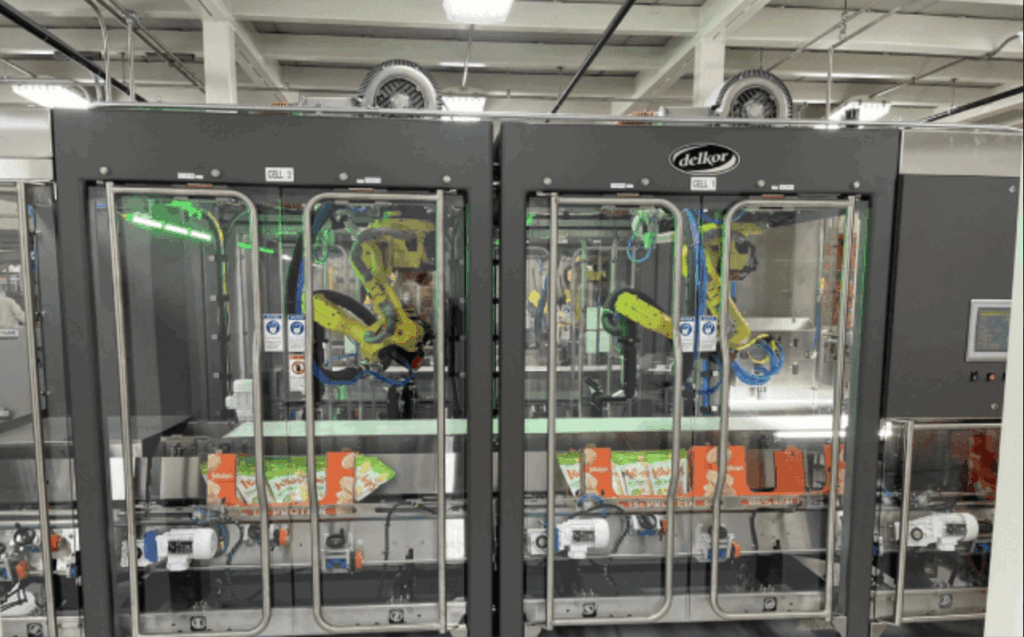
Dry Run Support
- Assisting with conveyor movement checks, mechanical startup, and adjustment.
- Supporting OEM technicians during testing and calibration.
Post-Installation Support
- Providing operators and maintenance teams with mechanical insights.
- Performing follow-up adjustments after initial production cycles.
Troubleshooting & Tuning
- Making real-time adjustments to alignment, tension, torque, or clearances as the line begins running.
- Reworking assemblies if functional tests indicate mechanical issues.